

2026 Guide to Heat Pump Load Calculations: Avoiding Oversizing in High-Efficiency Homes
Heat pumps are quickly becoming the default choice for high-efficiency and all-electric homes. But as envelopes get tighter and insulation improves, one long-standing HVAC problem becomes even more costly: oversizing.
In 2026, heat pump load calculations are no longer optional or “nice to have.” They are essential for comfort, energy performance, rebate eligibility, and customer satisfaction, especially in modern, high-efficiency homes.
This blog explains how heat pump load calculations work, why oversizing is so common, and how HVAC professionals can avoid it using accurate, modern workflows.
What Are Heat Pump Load Calculations and Why Do They Matter?
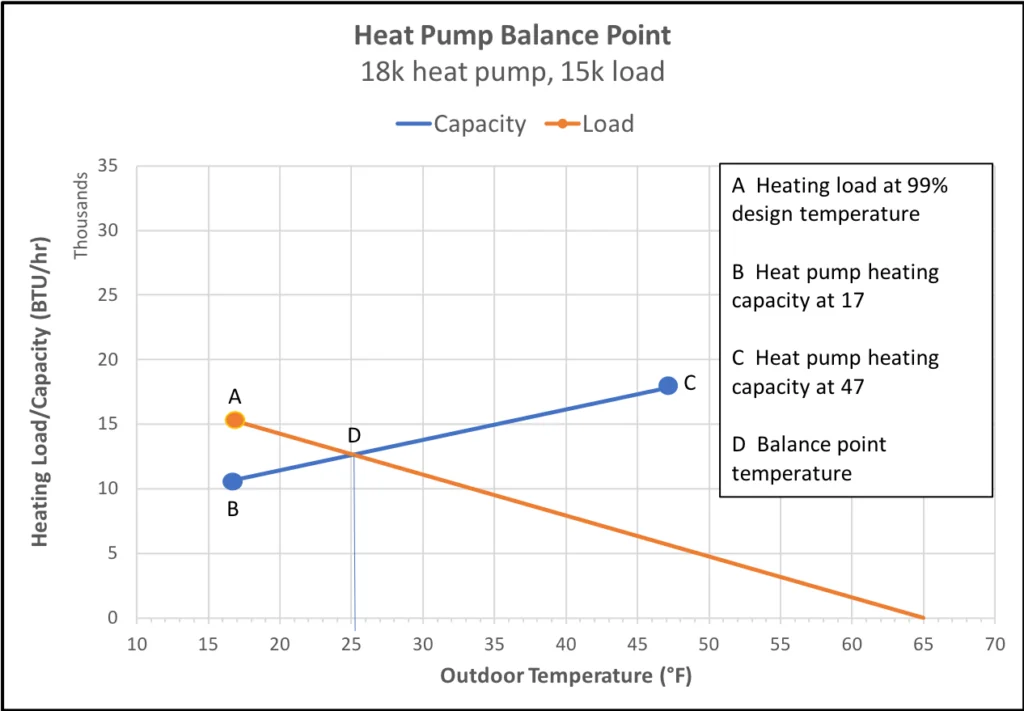
A heat pump load calculation determines how much heating and cooling capacity a home actually needs to maintain indoor comfort under design conditions.
At a high level, load calculations account for:
- Home size and layout
- Insulation levels and air sealing
- Window type, size, and orientation
- Local climate and design temperatures
- Internal heat gains from people and appliances
In technical terms, this process estimates the heating load (heat loss) and cooling load (heat gain) of a building, often following ACCA Manual J principles.
Why does this matter more with heat pumps
Unlike traditional furnaces or oversized AC systems, heat pumps:
- Runs best when sized close to the actual load
- Rely on longer run times for efficiency
- Lose performance and comfort when oversized
An oversized heat pump can short-cycle, reduce efficiency, increase wear, and deliver poor humidity control, especially in high-performance homes.
Why Oversizing Is So Common in High-Efficiency Homes
Many HVAC sizing habits were developed decades ago, when homes were leakier and less insulated. Those rules of thumb break down fast in modern construction.
Common causes of oversizing include:
- Using square-foot rules instead of real load data
- Replacing old systems “like for like.”
- Ignoring envelope improvements (new windows, insulation, air sealing)
- Adding large safety factors “just in case.”
In a high-efficiency home, these mistakes can double the required capacity, leading to higher costs and worse performance.
Key Benefits of Proper Heat Pump Load Calculations
1. Better Comfort and Temperature Control
Right-sized heat pumps maintain steadier indoor temperatures with fewer swings and cold or hot spots.
2. Higher Energy Efficiency
Proper sizing allows heat pumps to operate in their optimal efficiency range, reducing energy use and utility bills.
3. Fewer Callbacks and Complaints
Oversized systems often lead to noise issues, short cycling, and comfort complaints; problems that accurate load calculations prevent.
4. Lower Installed Cost
Smaller, correctly sized systems cost less upfront and often require less electrical infrastructure.
5. Compliance With Incentives and Codes
Many 2026-era rebates, electrification programs, and energy codes require documented load calculations.
Step-by-Step Guide to Accurate Heat Pump Load Calculations
Step 1: Collect Accurate Home Data
Start with reliable inputs, including:
- Conditioned floor area
- Ceiling heights and room layouts
- Insulation levels (walls, attic, floors)
- Window U-values and SHGC
- Air leakage assumptions or test data
Garbage in still means garbage out, no matter how advanced the software.
Step 2: Use Climate-Appropriate Design Conditions
Select outdoor design temperatures based on local weather data, not generic national averages. This is especially critical for cold-climate heat pumps.
Step 3: Calculate Heating and Cooling Loads
Run a full heat load and cooling load calculation, ideally on a room-by-room basis. This ensures proper distribution and avoids comfort issues in specific zones.
Step 4: Match Loads to Heat Pump Performance Data
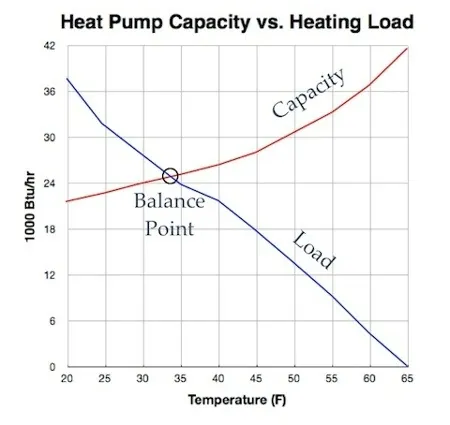
Compare calculated loads to manufacturer performance tables, not just nominal tonnage. Heat pump capacity varies significantly with outdoor temperature.
Step 5: Minimize or Eliminate Oversizing Buffers
Modern variable-speed heat pumps do not need large safety factors. Tight load calculations paired with modulating equipment deliver better results.
Read: Why Manual J Load Calculations Still Matter for Heat Pumps
Read: Heat Pump Sizing Mistakes That Hurt Comfort and Efficiency
Common Heat Pump Load Calculation Challenges (and How to Fix Them)
- Inaccurate insulation assumptions
→ Verify construction details or default conservatively, not aggressively. - Overestimating infiltration
→ High-efficiency homes often have much lower air leakage than expected. - Ignoring room-level loads
→ Whole-house numbers alone don’t solve distribution problems. - Using outdated rules of thumb
→ Replace shortcuts with data-driven calculations. - Misinterpreting heat pump capacity ratings
→ Always check low-temperature performance, not just nameplate size.
How AI and Automation Are Improving Heat Pump Sizing in 2026
AI-powered HVAC tools now streamline load calculations by:
- Reducing manual data entry
- Flagging unrealistic inputs automatically
- Adapting assumptions based on home type and region
- Generating professional heat load reports faster
This allows contractors and auditors to spend less time on spreadsheets and more time advising homeowners with confidence.
Best Practices for Heat Pump Load Calculations
- Always calculate loads before selecting equipment
- Avoid blanket safety factors
- Recalculate loads when envelope upgrades are planned
- Use room-by-room results to guide ducting and zoning
- Document calculations for rebates, inspections, and customer trust
Conclusion – How EDS Helps You Get Heat Pump Sizing Right
As homes become more efficient, accurate heat pump load calculations are the foundation of successful HVAC projects. Oversizing is no longer a harmless habit; it directly undermines comfort, efficiency, and customer satisfaction.
Energy Design Systems (EDS) provides modern HVAC load calculation software that helps contractors and auditors produce fast, accurate heat load reports tailored for today’s high-efficiency homes. With cloud-based workflows, reliable climate data, and professional reporting, EDS makes it easier to size heat pumps correctly, without guesswork or outdated rules of thumb.
If you’re ready to avoid oversizing and deliver better-performing heat pump systems, EDS tools are built to support your workflow.
Yes. Heat pumps perform best when closely matched to the load, especially in efficient homes.
Rarely. Variable-speed heat pumps handle load variation without large capacity buffers.
Only if the home has not changed. Any insulation, window, or air sealing upgrade requires recalculation.
Increasingly, yes. Many 2026 incentive programs require documented heat load reports.
Related posts
-
![HVAC Software and Solutions for Small Businesses]()
HVAC Software and Solutions for Small Businesses
When you invest in a new HVAC system for your home or for your business, you may come across the term “load calculation”. You might be wondering what it means, right? Well, the heating and cooling load calculation is the first step of the iterative HVAC design procedure. It is something that ensures comfortable heating,…
-
![HVAC Pricing Guide for Contractors]()
HVAC Pricing Guide for Contractors
There are plenty of things one should take care of when it comes to charging for HVAC services. While keeping competitive or reasonable rates is crucial to surviving in the competitive market, the energy audit services providers must have to keep the right balance between their profit margins to keep themselves and their customers happy.…

