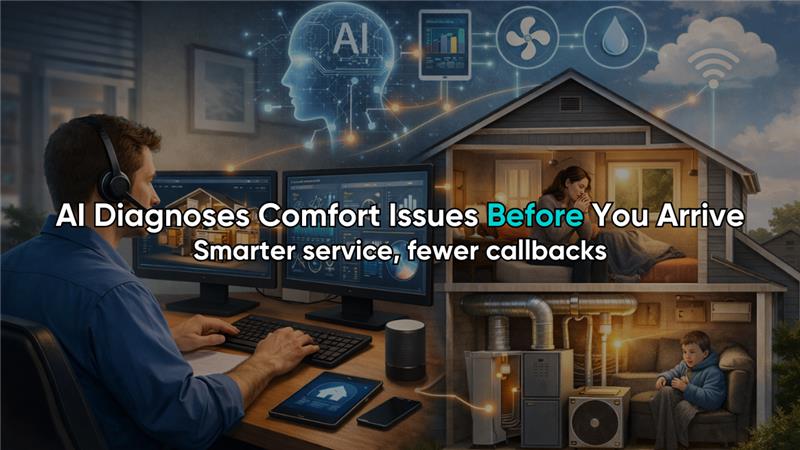
How HVAC Contractors Can Use AI to Diagnose Home Comfort Issues Before the First Visit
If you’ve been in the HVAC industry long enough, you’ve heard it all:
- “The upstairs is always too hot.”
- “One room never cools down.”
- “Our energy bills just keep going up.”
- “The system runs all day but never feels comfortable.”
Traditionally, the only way to figure out what’s really happening is to roll a truck, show up on-site, and start testing. That takes time, fuel, and labor, and sometimes you don’t even have the right parts or enough information when you arrive.
Today, artificial intelligence (AI) is changing that process.
AI doesn’t replace your expertise. It helps you walk into the first visit already understanding what’s likely wrong. That means faster diagnostics, better customer conversations, and fewer return trips.
In this article, you’ll learn how HVAC contractors can use AI to diagnose home comfort issues before the first visit and how to turn that insight into better service and higher close rates.
What Does It Mean to Use AI for HVAC Diagnostics?
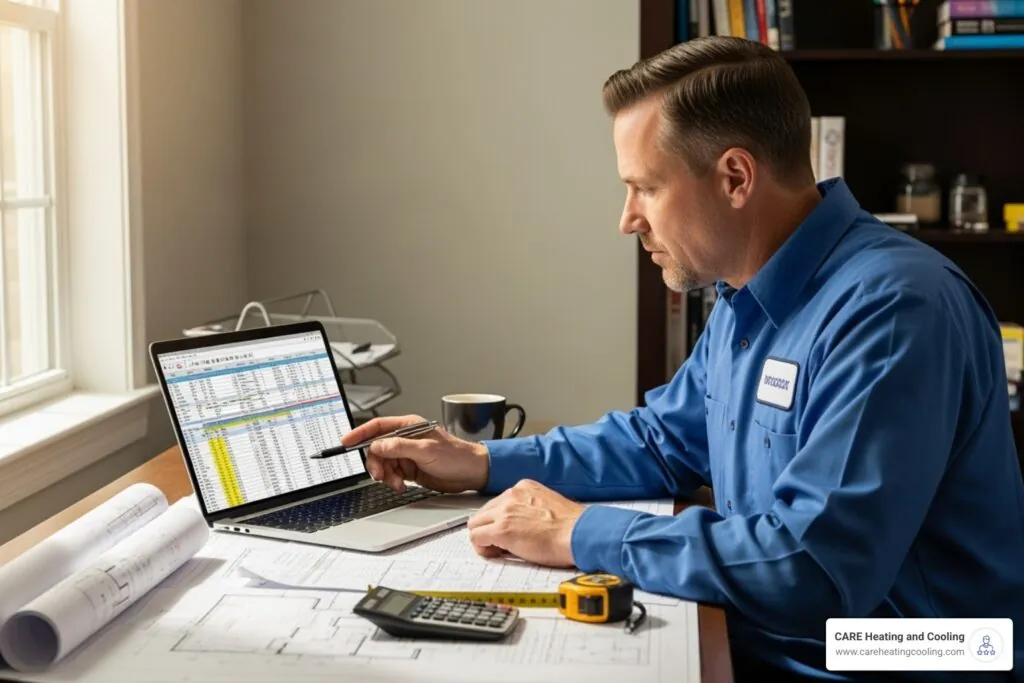
In simple terms, using AI for HVAC diagnostics means collecting information from a homeowner before you ever step inside the home and using software to analyze that data for patterns.
Instead of relying only on what the homeowner remembers, AI tools can analyze:
- Utility bill history
- Smart thermostat runtime data
- Home size, age, and insulation levels
- Weather data for the property’s location
- Past service history
The software looks at all of this and identifies likely causes of comfort problems.
For example:
- Long cooling runtimes + uneven temperatures = possible airflow or duct imbalance.
- Short cycling + oversized system history = potential oversizing issue.
- High energy bills + older insulation = building envelope problem.
- You’re still the expert. AI simply narrows down the possibilities before you arrive.
- And that changes everything.
Why Pre-Visit AI Diagnostics Matter for HVAC Contractors
When you diagnose comfort issues before the first visit, you gain a serious operational advantage.
Here’s why it matters.
1. Fewer Guesswork Appointments
Instead of showing up “cold,” you already have context.
You know:
- Approximate heat load trends
- Likely airflow concerns
- Possible equipment sizing mismatches
That makes your visit more focused and efficient.
2. Higher First-Visit Fix Rates
If you suspect duct restriction or a zoning issue before arrival, you can:
- Bring airflow testing tools
- Plan for static pressure measurements
- Allocate enough time for deeper diagnostics
That reduces callbacks and second trips.
3. Stronger Customer Trust
Homeowners are impressed when you say:
“Based on your runtime data and energy patterns, it looks like your system may be oversized or your ductwork may not be balanced. Let’s confirm that today.”
You sound prepared, not reactive.
4. Better Sales Conversations
Comfort complaints often lead to:
- System upgrades
- Duct modifications
- Insulation improvements
- Maintenance plan enrollments
AI-backed reports help you present solutions with data instead of opinions.
Step-by-Step: Using AI to Diagnose Comfort Issues Before You Arrive
Here’s what a practical workflow can look like.
Step 1: Collect Structured Homeowner Information
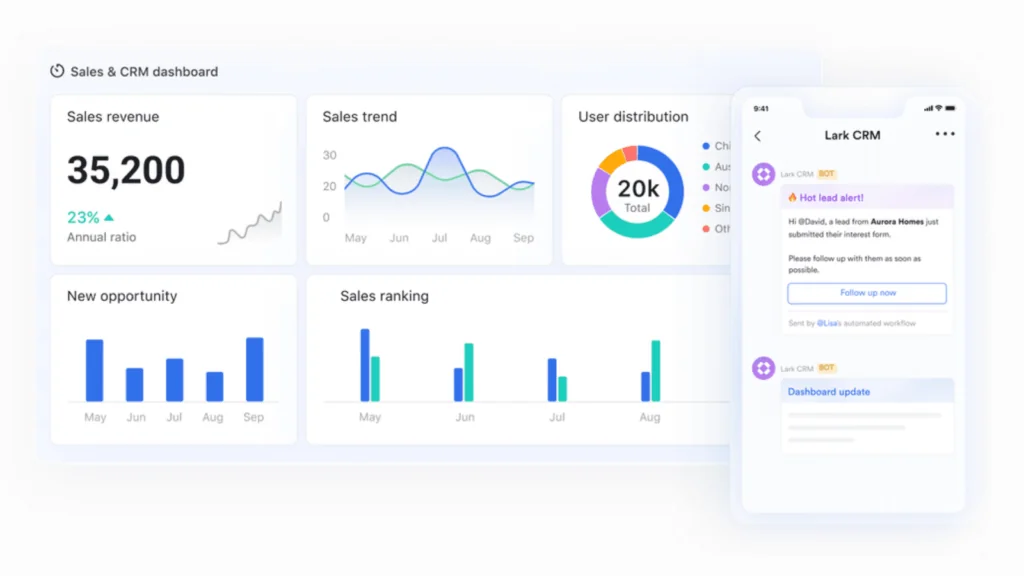
Before the visit, send a digital intake form that asks:
- Which rooms are uncomfortable?
- When does the issue happen?
- How old is the system?
- Have energy bills increased?
- Has any remodeling been done?
This takes 3–5 minutes for the homeowner but gives you critical clues.
AI tools can organize and interpret these responses automatically.
Step 2: Analyze Runtime and Energy Patterns
If the homeowner has a smart thermostat, runtime data is extremely valuable.
AI can flag patterns like:
- Excessive compressor runtime
- Rapid cycling
- Extended heating or cooling calls
- Seasonal inefficiency shifts
When paired with historical weather data, you can see whether performance matches expected system output.
This is where accurate load calculations also come into play. A home that consistently struggles during moderate weather may have been improperly sized from day one.
Step 3: Generate a Pre-Visit Comfort Report
Instead of guessing, you can generate:
- A preliminary heat load trend review
- Energy usage comparison
- Comfort imbalance indicators
- Potential airflow or envelope concerns
This doesn’t replace onsite diagnostics. It gives you a roadmap.
With tools like the Energy Design Systems (EDS) HVAC Load Calculation Software, contractors can quickly evaluate heat load performance using reliable data inputs. That allows you to walk in knowing whether the system capacity even makes sense for the home.
Step 4: Prepare for Targeted Onsite Testing
Now your visit becomes strategic.
If AI suggests airflow imbalance:
- Bring static pressure tools.
- Plan to inspect the duct design.
If data points to envelope leakage:
- Inspect attic insulation.
- Check infiltration and return air paths.
If runtime patterns suggest oversizing:
- Evaluate equipment staging.
- Review original load calculations.
Instead of “Let’s see what we find,” you’re saying:
“Let’s confirm what the data is showing.”
That’s a big difference.
Common Home Comfort Issues AI Can Flag Early
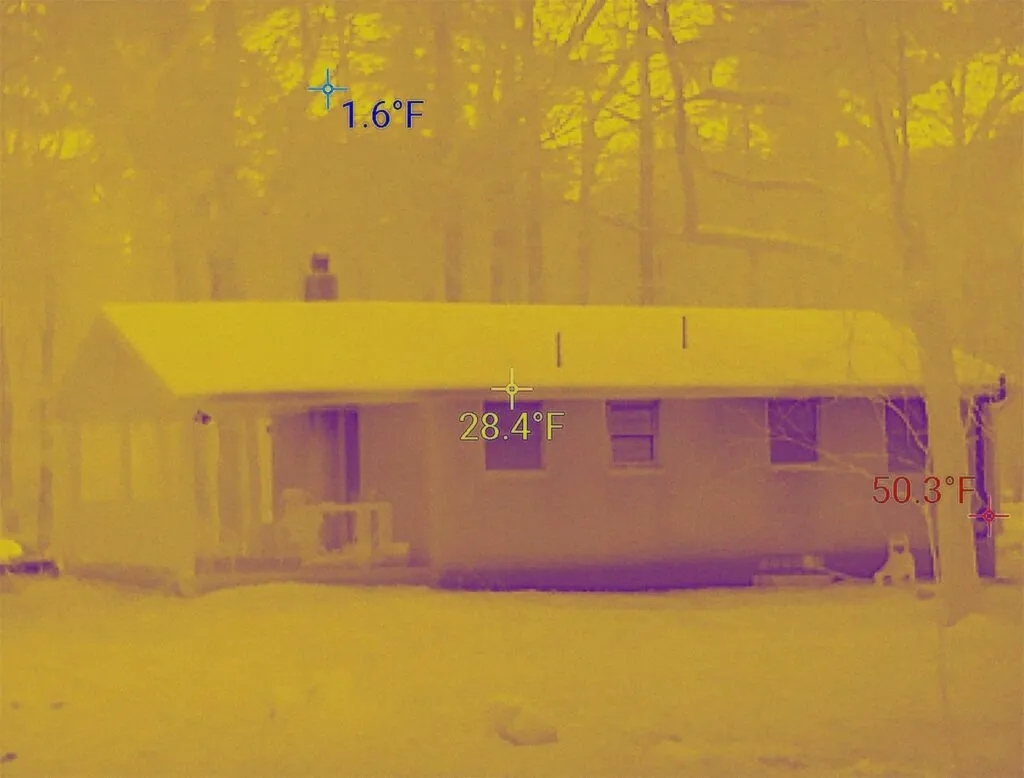
AI systems are particularly good at identifying patterns tied to common problems, including:
Duct leakage or restriction
Uneven temperatures and extended runtime often point here.
Oversized equipment
Short cycling and humidity complaints are strong indicators.
Undersized systems
Constant operation during moderate weather.
Poor insulation or air leakage
High energy bills combined with long runtimes.
Zoning or airflow imbalance
Second-floor comfort complaints are a classic example.
The earlier you identify these likely causes, the more productive your first visit becomes.
Challenges of Using AI (And How to Handle Them)
AI is powerful, but it’s not magic.
Here are a few real-world challenges.
1. Incomplete Data
Not every homeowner has smart thermostat data.
Solution: Use structured questionnaires and historical utility data. Even partial data improves your starting point.
2. Over-Reliance on Automation
AI should guide, not replace, field diagnostics.
Solution: Always confirm with static pressure readings, airflow testing, and proper heat load verification.
3. Integration With Existing Workflows
If AI tools don’t connect with your CRM or scheduling system, they become extra work.
Solution: Choose platforms that integrate with your sales and operational systems. Energy Design Systems (EDS) offers AI-powered tools that fit into modern HVAC workflows rather than creating more manual steps.
Best Practices for Contractors Using AI Diagnostics
If you’re considering implementing AI for pre-visit analysis, follow these guidelines:
- Always combine AI insights with proper load calculations.
- Standardize your pre-visit intake process.
- Use reports during sales conversations, don’t hide the data.
- Train your team on how to explain findings in simple language.
- Track metrics like first-visit resolution rate and callback reduction.
- Most importantly, keep the process human.
AI should make your service more personal, not robotic.
How AI and Modern HVAC Software Work Together
AI diagnostics become much more powerful when paired with accurate calculations and reporting tools.
For example:
- AI identifies a possible sizing mismatch.
- You confirm with a professional heat load report.
- You present a clear, data-backed recommendation.
Energy Design Systems (EDS) provides:
- HVAC Load Calculation Software for accurate heat load reports.
- HVAC Home Auditor tools for generating home energy performance reports.
- AI-powered analysis to streamline intake and evaluation.
- Maintenance plan pricing tools to support long-term service agreements.
This allows you to move from “We think this is the problem” to:
“Here’s what the data shows, and here’s the right solution.”
That’s a much stronger position.
Conclusion – Turning AI Into a Competitive Advantage
AI isn’t about replacing technicians.
It’s about making them sharper before they even knock on the door. When you use AI to diagnose home comfort issues before the first visit, you:
- Reduce guesswork
- Improve first-visit success rates
- Increase customer trust
- Strengthen sales conversations
- Cut down on costly callbacks
The contractors who adopt data-driven workflows now will stand out in the next decade.
If you’re ready to improve how you evaluate comfort complaints, Energy Design Systems (EDS) provides the HVAC load calculation, home energy reporting, and AI-powered tools that help you walk into every home prepared.
Contact Energy Design Systems (EDS) today to see how our software can support your HVAC business with smarter, data-backed diagnostics.
Related posts
-
![Best HVAC Software]()
The 5 Best HVAC Software Options for Your Small Business
With so many of us following the new normal of “work from home” culture, it is no wonder that the demand for global energy will rise. And that is having a positive impact on the HVAC service providers. It is predicted that more than 50,000 new jobs will be available over the next decade. So,…
-
![Reshape HVAC Industry]()
5 Trends That Will Reshape HVAC Industry in 2024
During the year 2023, every industry has faced a huge downfall due to the coronavirus pandemic. Different industries and markets had to go beyond their traditional offerings in an effort to fulfill the sudden shift in need of their target audience. And the HVAC industry was no different than others! The HVAC industry sector has…

