

Turning Home Energy Audit Data into Profitable HVAC Upgrades: A Contractor’s Playbook
If you’ve ever finished a home energy audit and thought, “There’s a lot of opportunity here but how do I turn this into actual signed jobs?” you’re not alone.
Many HVAC contractors collect solid audit data, blower door results, insulation gaps, duct leakage numbers, and load calculations, but struggle to translate that information into profitable HVAC upgrades. The data is there. The need is there. The homeowner just doesn’t always see it clearly.
This guide walks you through how to turn home energy audit data into real revenue:
- Identify the right upgrade opportunities
- Prioritize high-impact improvements
- Present findings in plain language
- Package upgrades into profitable projects
Let’s break it down step by step.
What Is a Home Energy Audit?
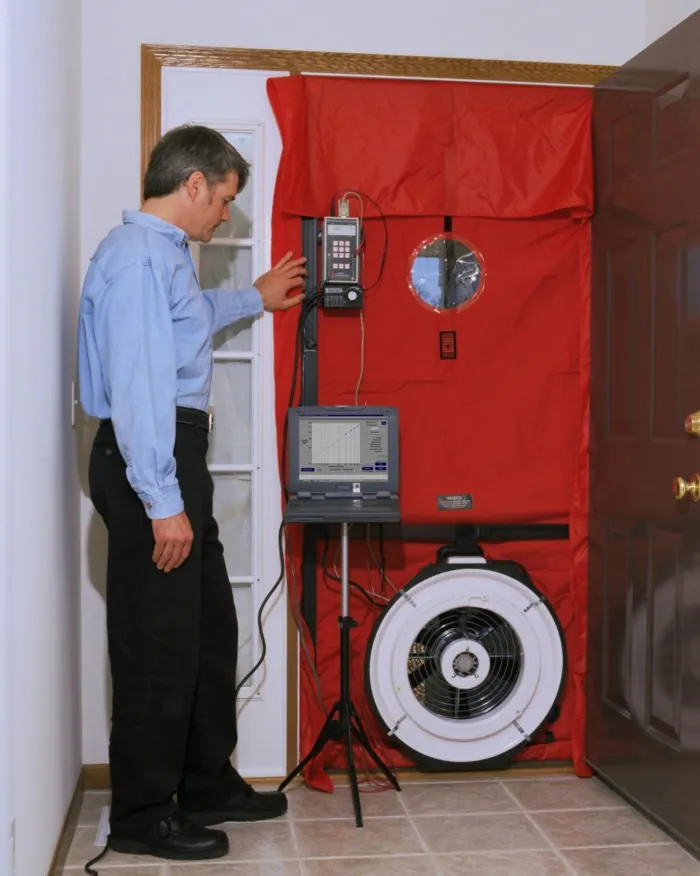
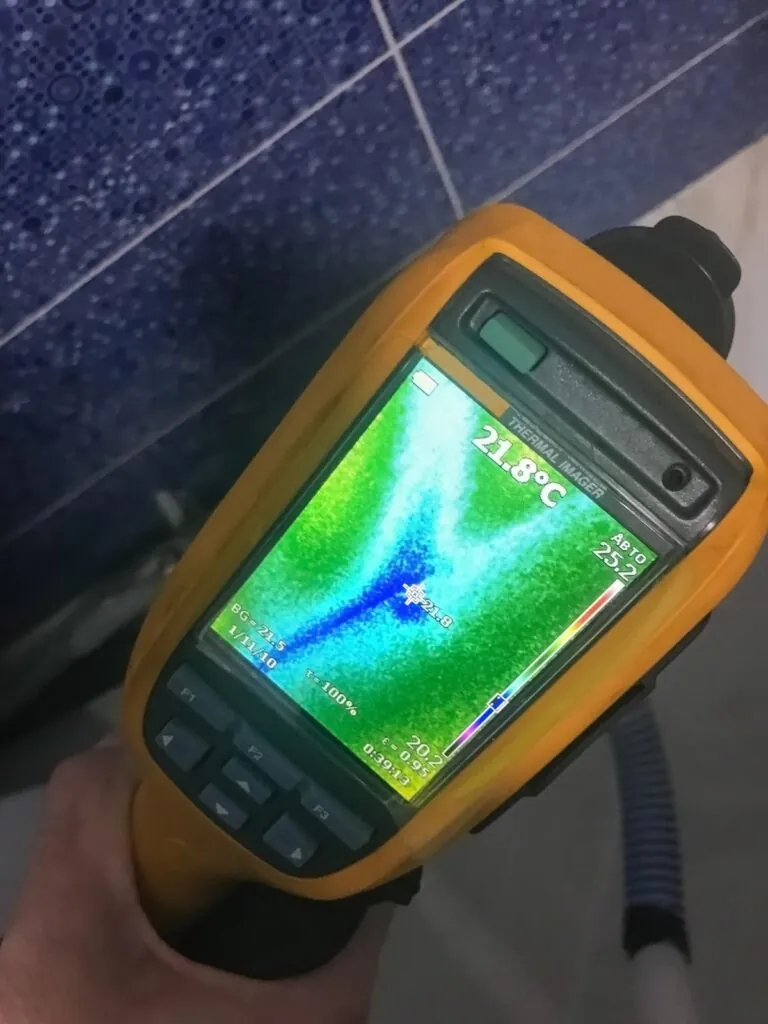
A home energy audit is simply a structured way to figure out where a house is wasting energy and money.
For homeowners, it answers questions like:
- Why is one room always hotter or colder?
- Why are my energy bills so high?
- Why does my system run constantly?
For you as a contractor, it gives you:
- Hard numbers (air leakage, insulation levels, system sizing)
- Visual proof (thermal imaging, duct leakage)
- A roadmap for HVAC upgrades that actually make sense
When paired with accurate heat load calculations and clear reporting, audit data becomes the foundation for smart, profitable HVAC recommendations.
Why Home Energy Audit Data Is So Valuable for HVAC Contractors
Audit data isn’t just paperwork. It’s leverage.
Here’s why it matters so much to your HVAC business:
1. It Moves the Conversation from “Price” to “Performance.”
When you say, “You need a new system,” it sounds like a sales pitch.
When you say, “Your home is losing 32% of its air through duct leakage, and your current unit is oversized by 1.5 tons,” that’s a professional diagnosis.
Data builds trust.
2. It Reduces Callbacks
Upgrades based on real numbers, especially heat load reports, lead to:
- Better comfort
- Proper system sizing
- Fewer hot/cold complaints
- Less equipment stress
That means happier customers and fewer return trips.
3. It Increases Average Ticket Size
A basic equipment replacement might bring in one number.
But when audit data reveals:
- Poor duct sealing
- Low attic insulation
- Incorrect system sizing
- High infiltration rates
You can bundle improvements into a comprehensive upgrade project instead of a simple swap-out.
4. It Differentiates You from Competitors
Most contractors sell boxes.
Few sell performance.
When you lead with data-backed recommendations, you position yourself as a consultant, not just an installer.
Step-by-Step: Turning Audit Data into Profitable HVAC Upgrades
Let’s talk about how to actually do this in the field.
Step 1: Start with the Heat Load Report
Before recommending equipment, always confirm:
- Cooling load
- Heating load
- Duct performance impact
- Infiltration contribution
A properly generated heat load report ensures:
- No oversizing
- No undersizing
- Accurate system matching
This is where modern HVAC load calculation software becomes critical. Fast, accurate reports allow you to make confident recommendations on the spot.
Step 2: Identify the “Low-Hanging Fruit”
Not every finding needs to become a line item.
Focus first on issues that:
- Directly impacts comfort
- Improve efficiency quickly
- Have a clear ROI for the homeowner
Common examples:
- Duct sealing in high-leakage systems
- Attic insulation upgrades
- Right-sizing an oversized AC
- Replacing outdated single-stage equipment
When you prioritize clearly, homeowners don’t feel overwhelmed.
Step 3: Translate Technical Data into Human Language
This is where many contractors lose the sale.
Instead of saying:
“Your ACH50 is high, and your sensible load ratio is off.”
Say:
“Your home is leaking air like a cracked window left open all year. That’s why your system runs longer, and your bills are higher.”
Instead of:
“Your system is oversized.”
Say:
“Your current unit is like putting a V8 engine in a go-kart. It cools too fast, shuts off too soon, and doesn’t remove humidity properly.”
Simple comparisons close deals.
Step 4: Package Upgrades, Don’t Just List Problems
Instead of giving homeowners a long list of issues, group them into upgrade tiers:
Option 1 – Comfort Fix
- Duct sealing
- Air balancing
Option 2 – Performance Upgrade
- Right-sized high-efficiency system
- Duct improvements
- Smart thermostat
Option 3 – Whole-Home Efficiency Package
- Full system replacement
- Insulation upgrade
- Duct sealing
- Maintenance plan
When you present options instead of a single price, homeowners feel in control, and the average project value increases.
Common Challenges (And How to Avoid Them)
“The Homeowner Only Wants a Cheap Replacement”
Solution:
- Show them how the current system was improperly sized.
- Use load data to demonstrate long-term cost impact.
- Offer phased upgrade options if the budget is tight.
“The Data Is There, But It’s Hard to Explain”
Solution:
- Use simple reports with visuals.
- Avoid overwhelming charts.
- Focus on 2–3 key findings that matter most.
Clear reporting tools make this dramatically easier.
“Audits Take Too Long”
Solution:
- Use structured software to streamline data collection.
- Automate report generation.
- Integrate results into your proposal workflow.
When your tools handle the math, you can focus on the customer conversation.
Best Practices for Turning Audit Data into Revenue
Here’s a practical checklist you can use in your business:
- Always pair audits with a heat load calculation.
- Highlight the top three comfort or efficiency issues.
- Use before-and-after comparisons when possible.
- Present tiered options.
- Offer maintenance plans with upgrades.
- Train your team on how to explain findings in simple language.
- Follow up with a summary report within 24–48 hours.
Consistency builds conversion rates.
How Modern Tools Make This Easier
Manually calculating loads, formatting reports, and building proposals eats time.
Energy Design Systems (EDS) provides tools that help contractors:
- Generate fast, accurate heat load reports.
- Create professional home energy reports.
- Price out maintenance plans clearly.
- Present findings in a way homeowners understand.
The EDS HVAC Home Auditor helps turn raw audit data into structured, easy-to-present reports. Instead of spreadsheets and scattered notes, you get organized documentation that supports your upgrade recommendations.
For contractors who want to move faster without sacrificing accuracy, modern HVAC load calculation software is no longer optional; it’s a competitive advantage.
Conclusion – From Data to Dollars
A home energy audit by itself doesn’t generate revenue.
But when you:
- Start with accurate load calculations
- Focus on high-impact improvements
- Speak in clear, human language
- Package upgrades strategically
…you turn diagnostic work into profitable HVAC projects.
In 2026, data-backed HVAC recommendations aren’t optional – they’re the standard.
Contractors who treat audits as paperwork leave money on the table. Contractors who treat audits as sales tools build higher margins, stronger reputations, and better customer relationships.Energy Design Systems (EDS) supports contractors with tools for heat load reports, home energy reporting, and maintenance plan pricing so you can spend less time wrestling with numbers and more time closing upgrades. Stop guessing. Start calculating with confidence. Call today!
Related posts
-
![Home Energy – Efficiency Audit & Assessment]()
How to Get a Home Energy – Efficiency Audit & Assessment
A Detailed Guide on How to Get a Professional Home Energy Audit Done for Your Home. A Complete Checklist to Get a Professional Energy Audit Done for Your Home It’s an expensive deal to keep your home warm, cool, and power. According to the statistics, the average monthly household energy cost varies from $199 to…
-
![Cooling Load Calculation]()
Important factors of Cooling Load Calculation and how it is calculated
Every home needs a perfect amount of cooling to make the atmosphere comfortable. However, achieving a comfortable level is entirely dependent on having the right-sized home air conditioning unit. But how do you make sure your cooling system is correctly sized? Well, you can get help from the professionals providing cooling load calculation services. Also,…

