
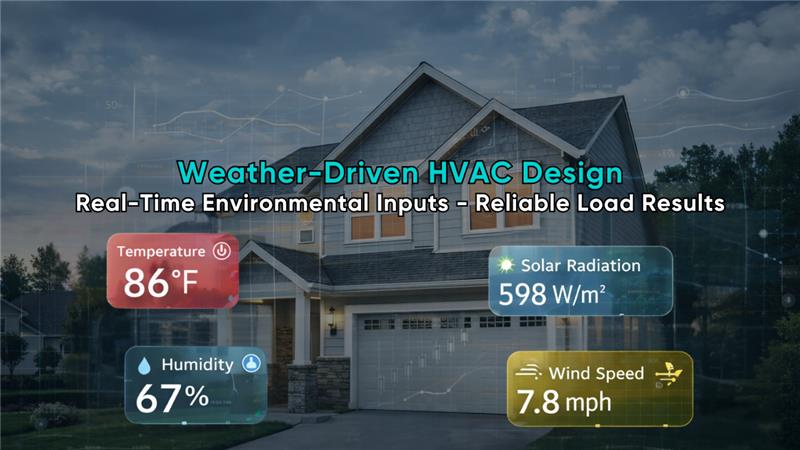
Why Real-Time Weather APIs Are Becoming Crucial for Accurate HVAC Load Calculations
An HVAC system is only as accurate as the weather data behind it.
Traditionally, contractors and engineers relied on static weather tables or historical averages. While those datasets still have value, they don’t always reflect current conditions or emerging climate patterns. As weather variability increases, relying solely on outdated data can introduce risk into your load calculations.
This is where real-time weather APIs are changing the game.
By integrating real-time and dynamically updated climate data into HVAC load calculation software, contractors can generate more precise, location-specific heat load reports. In this article, we’ll break down why real-time weather APIs matter, how they work, and how HVAC professionals can use them to improve both technical accuracy and business performance.
What Are Real-Time Weather APIs and Why Do They Matter for HVAC Load Calculations?
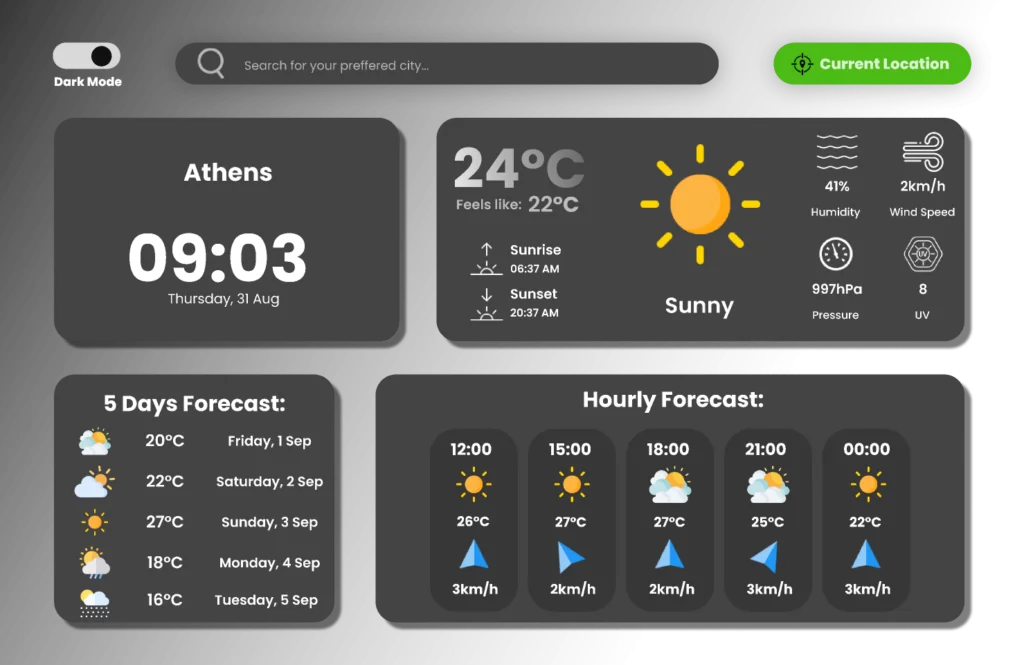
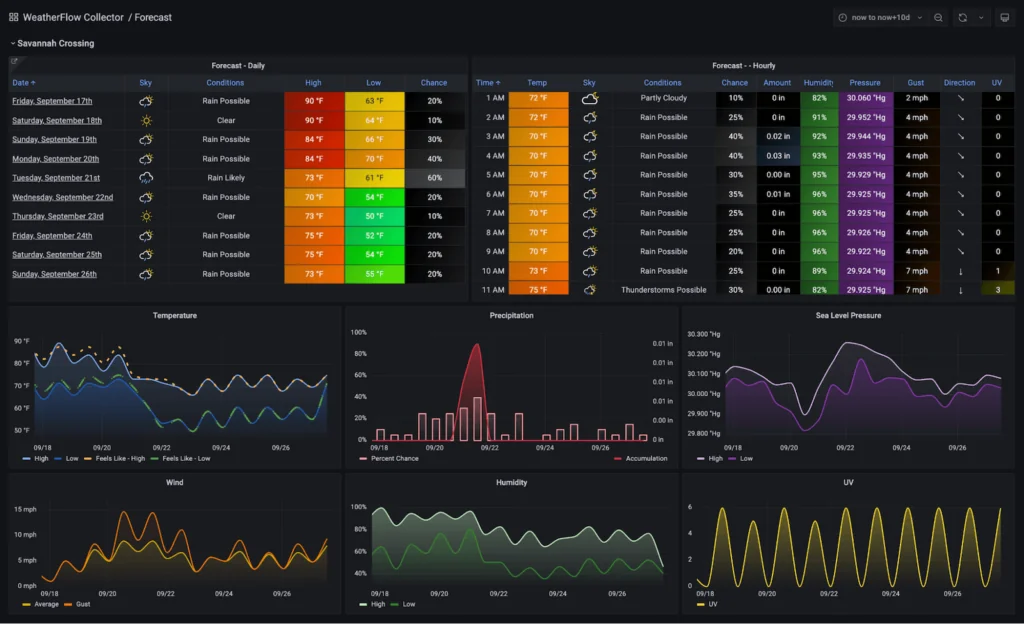
A real-time weather API (Application Programming Interface) is a service that provides up-to-date weather data, such as:
- Outdoor dry-bulb temperature
- Wet-bulb temperature
- Relative humidity
- Wind speed
- Solar radiation
- Barometric pressure
Instead of manually entering static design temperatures from printed tables, your HVAC load calculation software can automatically pull location-specific data based on:
- Exact address or ZIP code
- Latitude and longitude
- Current conditions and recent trends
Why This Matters in Load Calculations
HVAC load calculations are heavily dependent on accurate outdoor design conditions. Even small variations in:
- Outdoor temperature
- Humidity levels
- Solar gain
can significantly impact heating and cooling load results.
When you rely on generalized historical data, you may:
- Oversized equipment “just to be safe.”
- Undersized systems in rapidly warming regions
- Miss humidity-driven latent loads
- Produce inconsistent reports across projects
Real-time weather APIs provide a more dynamic, localized input layer. That leads to load calculations that reflect actual conditions rather than assumptions.
Key Benefits of Real-Time Weather APIs for HVAC Professionals
1. More Accurate HVAC Load Calculations
The most obvious benefit is improved precision. With real-time and updated climate datasets:
- Outdoor design temperatures are location-specific
- Humidity levels reflect current trends
- Solar impact can be better estimated
This reduces guesswork and produces heat load reports you can stand behind confidently.
2. Reduced Risk of Oversizing and Undersizing
Oversizing leads to:
- Short cycling
- Poor humidity control
- Higher upfront equipment costs
Undersizing leads to:
- Comfort complaints
- Callbacks
- Strained equipment
Accurate weather inputs help you size systems more appropriately, improving performance and customer satisfaction.
3. Improved Credibility with Homeowners
When you show homeowners that your HVAC load calculation uses current, location-specific weather data, it strengthens trust.
Instead of saying, “This is based on typical averages,” you can explain:
- The calculation reflects real outdoor conditions
- The numbers are data-driven
- The system recommendation is evidence-based
That transparency can improve close rates and reduce objections.
4. Adaptability to Changing Climate Patterns
Weather trends are shifting in many regions. Historical 30-year averages may not reflect what homeowners are experiencing today.
Real-time weather APIs allow:
- Updated design inputs
- More responsive modeling
- Better preparation for extreme temperature swings
For contractors operating in areas with growing heat waves or changing winters, this adaptability is critical.
Step-by-Step Guide to Using Real-Time Weather Data in HVAC Load Calculations

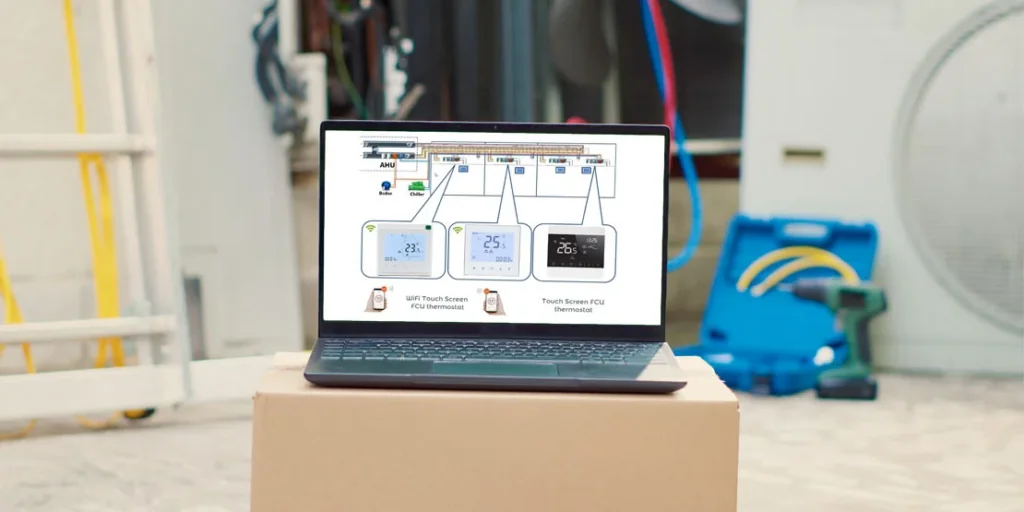
If you want to integrate real-time weather data into your workflow, here’s a practical approach.
Step 1: Use Load Calculation Software That Supports Weather Integration
Not all HVAC load calculators are built the same.
Look for software that:
- Pulls weather data automatically
- Uses address-level geolocation
- Updates datasets regularly
Cloud-based platforms typically offer better integration than legacy desktop tools.
Step 2: Verify Location Accuracy
Always confirm:
- Exact property address
- Elevation (when applicable)
- Orientation and shading factors
Even the best API can’t compensate for incorrect site inputs
Step 3: Review Design Conditions Before Finalizing Reports
Before generating your heat load report:
- Review outdoor design temperatures
- Confirm humidity assumptions
- Check for extreme-condition adjustments
This ensures your results align with project goals and local expectations.
Step 4: Communicate the Data to Clients
Don’t just run the numbers, explain them.
Show homeowners:
- How weather data impacts system sizing
- Why accurate inputs reduce long-term issues
- How this approach differs from rule-of-thumb sizing
That conversation turns technical accuracy into a sales advantage.
Common Challenges and How to Overcome Them
1. Overreliance on Static Tables
Problem: Many contractors still rely on outdated design tables.
Consequence: Inaccurate loads and inconsistent results.
Solution: Transition to cloud-based load calculation tools that integrate live or regularly updated weather datasets.
2. Data Overwhelm
Problem: Too many weather variables can feel complex.
Consequence: Contractors ignore deeper insights.
Solution: Use software that simplifies and automates data interpretation rather than forcing manual calculations.
3. Integration Issues with Other Tools
Problem: Weather data may not sync with CRM, proposal, or sales platforms.
Consequence: Disconnected workflows.
Solution: Choose tools that integrate with your broader HVAC tech stack.
How AI and Automation Are Changing Weather-Based HVAC Calculations

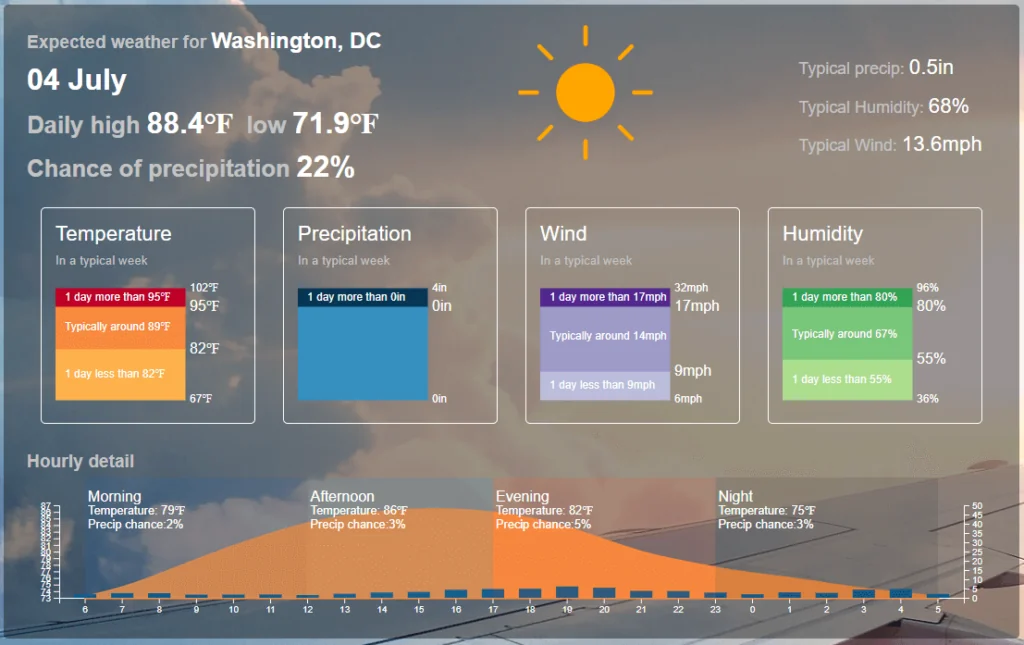
AI-powered HVAC software is beginning to do more than just pull weather data.
It can:
- Analyze trends across projects
- Flag anomalies in design inputs
- Suggest adjustments based on historical performance
- Automate parts of the load calculation process
Instead of manually interpreting datasets, AI can help identify patterns that impact energy usage and comfort outcomes.
For growing HVAC businesses, this means:
- Faster report turnaround
- More consistent calculations
- Fewer manual errors
- Better scalability
Best Practices & Pro Tips for Using Real-Time Weather APIs
Use this checklist to improve your workflow:
- Always validate property location before running calculations
- Avoid rule-of-thumb sizing even with updated weather data
- Review both sensible and latent loads
- Keep documentation for compliance and inspections
- Use weather-backed reports as a sales tool
- Revisit design assumptions for extreme climates
Consistent processes lead to more reliable results and fewer callbacks.
Frequently Asked Questions About Real-Time Weather APIs in HVAC
No. They enhance the inputs used in Manual J-style HVAC load calculations. The methodology remains the same; the weather data becomes more accurate.
They are not mandatory, but they significantly improve accuracy, especially in regions with variable climates.
Not when integrated properly. Modern HVAC software automates data retrieval, so contractors don’t need to manually manage weather inputs.
Conclusion – How Energy Design Systems (EDS) Helps You Improve Load Calculation Accuracy
Accurate HVAC load calculations depend on accurate inputs. As weather patterns shift and clients expect higher performance standards, static assumptions are no longer enough. Real-time weather APIs provide a smarter foundation for heat load reports by delivering localized, up-to-date environmental data. That leads to better system sizing, improved comfort, and stronger professional credibility.
Energy Design Systems (EDS) provides cloud-based HVAC load calculation software designed for modern workflows. By combining accurate heat load reports with streamlined data inputs and automation, EDS helps HVAC professionals produce reliable, defensible results without adding complexity.
If you’re ready to improve the accuracy and efficiency of your HVAC load calculations, book a demo with Energy Design Systems and see how real-time weather integration can elevate the accuracy and credibility of every heat load report you produce.
Related posts
-
![HVAC BTU Calculator]()
What is the HVAC BTU Calculator? How does it Work?
We all want our air flowing fresh. Air Conditioners, as we know, are an inseparable part of the modern consumer and set the narrative of one’s lifestyle quotient. Subsequently, consumers today are more educated about the choices in the market and won’t settle for anything less. This has led to AC unit developers to elevate…
-
![Best HVAC Software]()
The 5 Best HVAC Software Options for Your Small Business
With so many of us following the new normal of “work from home” culture, it is no wonder that the demand for global energy will rise. And that is having a positive impact on the HVAC service providers. It is predicted that more than 50,000 new jobs will be available over the next decade. So,…

