

Home Electrification Boom: What It Means for HVAC Load Calculations and System Design
The home electrification boom isn’t just a trend; it’s reshaping how homes are heated, cooled, and powered. Across the country, homeowners are replacing gas furnaces with heat pumps, swapping gas water heaters for electric models, and installing EV chargers in their garages.
For HVAC professionals, this shift changes more than equipment preferences. It changes how you approach HVAC load calculations, how you interpret energy data, and how you guide customers through system decisions.
If you rely on rule-of-thumb sizing or outdated assumptions, electrification can lead to oversized systems, undersized panels, or uncomfortable homes. In this article, we’ll break down what home electrification really means in practical terms and how to adjust your load calculation workflow to stay accurate, competitive, and future-ready.
What Is the Home Electrification Boom and Why Does It Matter?
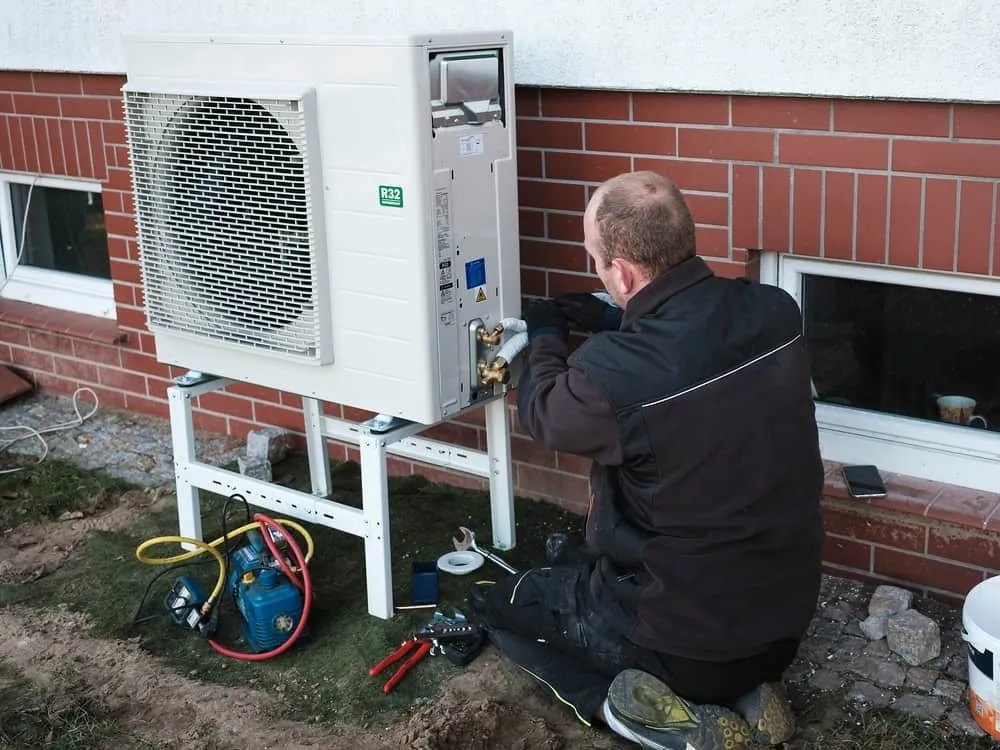
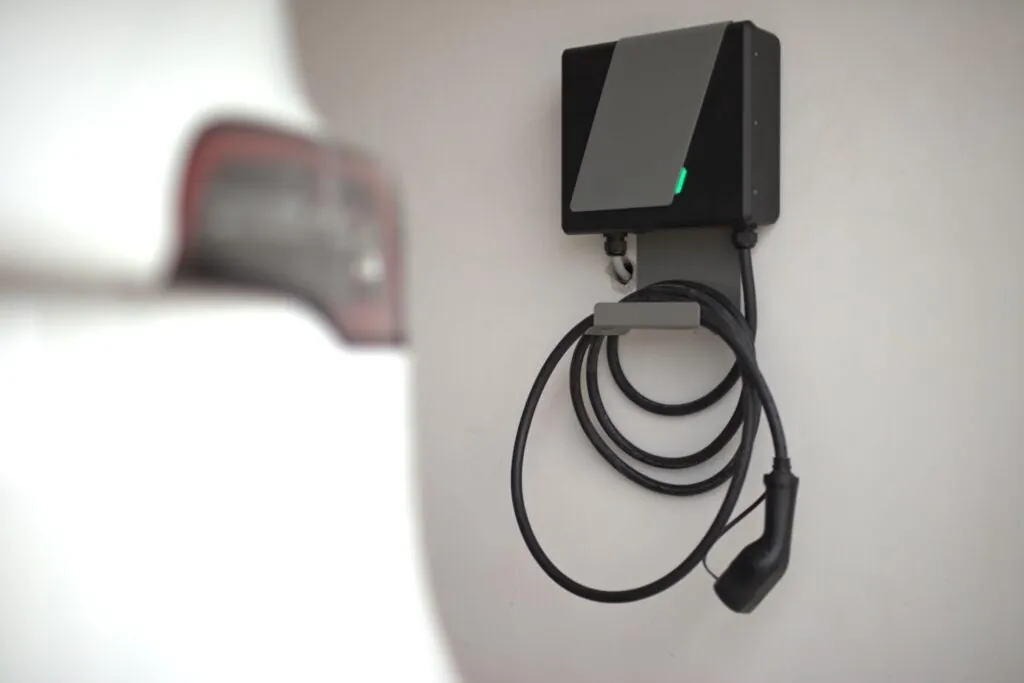
At its simplest, home electrification means replacing systems that run on fossil fuels (like natural gas or oil) with electric alternatives.
In everyday language:
Instead of burning fuel to generate heat, homes are increasingly using electricity to do so.
Examples include:
- Gas furnace → Electric heat pump
- Gas water heater → Electric heat pump water heater
- Gas stove → Induction cooktop
- No EV charger → Level 2 electric vehicle charger
For homeowners, the appeal is lower carbon emissions, potential energy savings, and eligibility for rebates and tax credits.
For HVAC contractors, electrification introduces three big changes:
- More reliance on heat pumps
- Greater electrical demand in homes
- More emphasis on accurate heat load calculations
Why Load Calculations Matter More Than Ever
When a gas furnace is slightly oversized, it may short-cycle, but it will still deliver heat quickly.
Heat pumps are different.
They:
- Deliver lower supply air temperatures
- Run longer cycles
- Depend heavily on accurate heat loss and heat gain calculations
If your HVAC load calculations are off even by 10–15%, the homeowner may experience:
- Higher electric bills
- Poor cold-weather performance
- Excessive auxiliary heat usage
- Comfort complaints
That’s why electrification and proper load calculation go hand in hand.
Key Benefits of Home Electrification for HVAC Professionals
Electrification isn’t just a challenge; it’s a major opportunity.
1. Expanded Service Opportunities
Electrification creates new demand for:
- Heat pump replacements
- Dual-fuel system evaluations
- Electrical panel coordination
- Home energy assessments
Contractors who understand HVAC load calculations in electrified homes can position themselves as advisors, not just installers.
2. Higher Value Projects
Electrification projects often involve:
- Load calculations
- Duct system review
- Envelope performance evaluation
- Utility rebate documentation
That means more comprehensive jobs, not just quick equipment swaps.
3. Increased Demand for Energy Reporting
Homeowners want answers like:
- “Will my electric bill go up?”
- “Can my current panel handle this?”
- “Do I qualify for rebates?”
Accurate heat load reports and home energy reports help you provide clear, data-backed answers.
How Electrification Changes HVAC Load Calculations
Let’s break this down in simple terms.
When homes electrify, three things shift in your calculation process.
1. Heating Loads Become the Critical Focus
In many regions, cooling loads were historically the main concern.
With electrification:
- Cold-weather heating performance becomes critical.
- Heat pump sizing must reflect accurate winter design temperatures.
- Auxiliary heat must be minimized.
If the heat loss calculation is wrong, the homeowner literally pays for it.
2. Envelope Performance Matters More
Heat pumps work best in tighter, well-insulated homes.
Small differences in:
- Insulation levels
- Air leakage
- Window performance
Can significantly affect system sizing.
This makes accurate home data collection essential. Guessing R-values or infiltration rates isn’t good enough anymore.
3. Electrical Capacity Must Be Considered
While HVAC load calculations focus on thermal loads, electrification adds a parallel concern:
- Can the home’s electrical service handle the additional load?
Even though this falls under electrical load calculations, HVAC contractors must understand how equipment choices affect total electrical demand, especially when heat pumps and EV chargers are involved.
Step-by-Step Guide to Adapting Your Load Calculation Workflow
If you want to stay ahead during the home electrification boom, here’s a practical approach.
Step 1: Always Perform a Full Heat Load Calculation
Avoid:
- “It’s a 2,000 sq ft house, so 4 tons should work.”
- “Just match the existing furnace size.”
Instead:
- Use room-by-room heat loss and heat gain calculations.
- Verify design temperatures for your region.
- Factor in updated envelope improvements.
Step 2: Evaluate Envelope and Air Leakage
Encourage:
- Blower door testing
- Insulation verification
- Window performance checks
This helps you size heat pumps correctly and identify improvement opportunities.
Step 3: Compare Multiple Equipment Options
Instead of sizing to peak load only, consider:
- Variable-speed heat pumps
- Cold-climate performance curves
- Dual-fuel configurations
Match equipment output to actual calculated loads, not just nominal tonnage.
Step 4: Provide a Clear Report to the Homeowner
Electrification customers want transparency.
A clear heat load report and home energy report can show:
- Design heating load
- Design cooling load
- Recommended equipment capacity
- Estimated performance impact
This builds trust and supports rebate documentation.
Common Challenges and How to Overcome Them
1. Oversizing “Just to Be Safe.”
Problem:
Oversized heat pumps have a short cycle and lose efficiency.
Solution:
Trust your HVAC load calculation. Use accurate software instead of rules of thumb.
2. Underestimating Cold-Climate Needs
Problem:
The system struggles during extreme winter temperatures.
Solution:
Use local winter design data and evaluate heat pump capacity at low outdoor temperatures, not just rated capacity.
3. Ignoring Duct System Limitations
Problem:
Even correctly sized equipment won’t perform if ducts are undersized or leaky.
Solution:
Include duct evaluation in electrification projects.
4. Incomplete Data Collection
Problem:
Inaccurate insulation or infiltration assumptions skew results.
Solution:
Use structured data collection tools and standardized inputs.
How AI and Automation Are Changing HVAC Load Calculations
Electrification increases complexity. More variables. More scrutiny. More documentation.
AI-powered HVAC software helps by:
- Automating climate data integration
- Reducing manual entry errors
- Generating professional reports instantly
- Standardizing calculation processes across teams
Instead of spending hours building spreadsheets, contractors can focus on analysis and customer conversations.
Automation also makes it easier to:
- Scale operations
- Maintain consistency across technicians
- Integrate with CRMs and sales workflows
Best Practices for HVAC Contractors During the Electrification Boom
Use this checklist in your business:
- Always perform full heat load calculations before replacing gas systems.
- Verify insulation and infiltration levels – don’t assume.
- Review cold-weather heat pump capacity curves.
- Coordinate with electricians when necessary.
- Provide written load reports for transparency and rebates.
- Train your sales team to explain electrification in simple terms.
The contractors who treat electrification as a design and data opportunity, not just an equipment swap will stand out.
Frequently Asked Questions About Home Electrification and HVAC Load Calculations
Does electrification always require a larger HVAC system?
Not necessarily. In fact, many homes are currently oversized. Accurate load calculations often reveal that smaller equipment can work more efficiently.
Are heat pumps effective in cold climates?
Yes, modern cold-climate heat pumps perform well when properly sized using accurate heating load calculations.
Do homeowners always need electrical panel upgrades?
Not always. It depends on the total electrical demand. However, electrification increases the likelihood that panel capacity must be evaluated.
Is a Manual J calculation still necessary?
Absolutely. In electrified homes, precise heating load calculations are even more important than before.
Conclusion – How Energy Design Systems (EDS) Helps You Stay Ahead
The home electrification boom isn’t slowing down. As more homeowners move toward all-electric systems, the margin for error in HVAC load calculations gets smaller.
Accurate data is no longer optional. It’s fundamental.
Energy Design Systems (EDS) provides:
- Cloud-based HVAC load calculation software
- Detailed heat load reports for electrification projects
- HVAC Home Auditor tools for complete home energy reporting
- Automated workflows that reduce errors and save time
Instead of relying on assumptions, you can deliver data-backed recommendations that improve comfort, reduce callbacks, and strengthen your credibility.
If you’re ready to modernize your HVAC load calculation process and confidently handle electrification projects, Energy Design Systems (EDS) provides the tools to support your growth.
Related posts
-
![Best HVAC Software]()
The 5 Best HVAC Software Options for Your Small Business
With so many of us following the new normal of “work from home” culture, it is no wonder that the demand for global energy will rise. And that is having a positive impact on the HVAC service providers. It is predicted that more than 50,000 new jobs will be available over the next decade. So,…
-
![HVAC Software]()
HVAC Software – Reasons That Makes It a Worthy Investment For HVAC Service Providers
You know the HVAC industry and you are well-aware of what it takes to deliver exceptional field services. Heat and cooling load calculation is a fundamental service every HVAC designer and consultant should provide to help homeowners get the appropriate HVAC system solution. An appropriately sized heat and cooling system not just provides the right-sized…

